Chemical hazards

A chemical hazard is a threat caused by a chemical (e.g. gases, vapours, aerosol sprays, dust, liquids, solids) while using it independently or by being exposed to any variety of it.

Some examples for hazardous chemicals

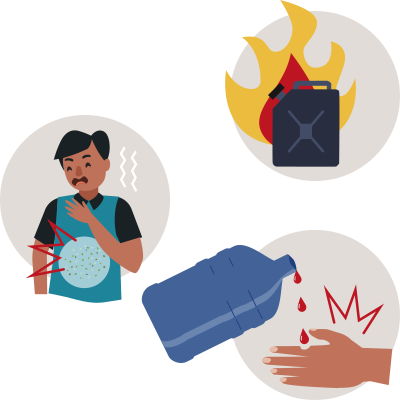
  • Gasoline is flammable, it catches fire easily and quickly.
  • Polychlorinated biphenyl stays in the body and can cause long-term health issues.
  • Acids or bases (like sodium hydroxide) cause chemical burns.

Where is the risk to get exposed to chemical hazards?

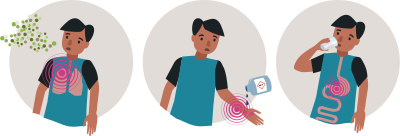
  • Breathing in airborne chemicals (gases, vapuors or airborne particles (dust, smokes, aerosols))
  • Skin contact and intrusion into the body through the skin and eyes in gaseous, liquid, or solid form
  • Ingesting chemicals in liquid and solid form

Some hazardous chemicals can affect your life and health by

  • causing skin and eye irritation and allergies
  • damaging parts of the body and causing cancer
  • by endangering pregnancy and reproductive functions
  • by harming the unborn child

In addition to following safety instructions for handling chemicals, please also practise good industrial and personal hygiene.

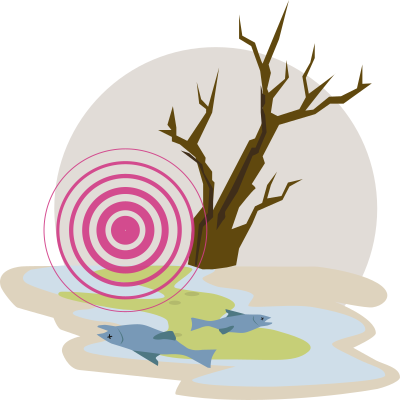
Chemical hazards can affect the environment by

  • killing water-based life
  • polluting (drinking and ground) water and soil
  • polluting air

Be aware of toxic and harmful chemicals and gases in the air that are invisible to the bare eye!

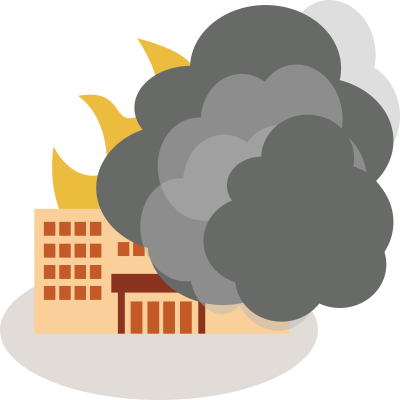
Flammable chemicals can cause fire!

Moreover, chemical hazards may

  • cause explosions
  • damage and destroy structures, buildings, equipment
  • react violently with other chemicals

Please always follow the safety instructions for chemical handling! Storing chemicals safely is critical to keep the workplace safe!

Types of chemicals used in the textile industry

Pre-treatment chemicals
(e.g. detergents, sizing agents, scouring agents, etc.)

Basic chemicals
(e.g. sodium hydroxide, hydrogen peroxide, etc.)

Dyes
(e.g.: reactive dyes, disperse dyes, vat dyes, pigments)

High-performance chemicals
(e.g. softeners, fixers, water repellents, etc.)

Wastewater treatment chemicals
(e.g.: sulphuric acid)

Please always look at the Safety Data Sheet for each chemical to learn more about handling it.

It is important to know about the chemicals used at your workplace

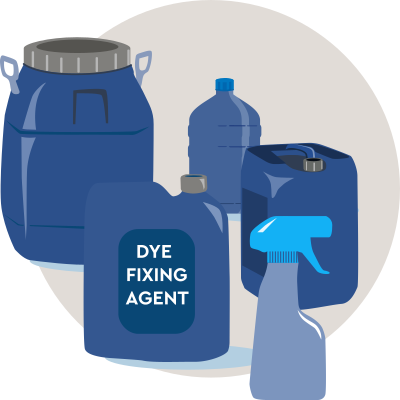
  • Look for the symbols used for hazardous chemicals on labels on barrels, bottles, bags, boxes, etc.
  • Read all the labelling, pictograms, the Safety Data Sheet, and the instructions for the handling of chemicals.
  • Immediately contact your supervisor in case of any unknown chemical.
  • Get to know the emergency response plan.
  • Attend trainings on chemical safety.

Safety Data Sheet (SDS)

SDS is a guidance document for chemical safety. An SDS contains 16 sections:

Section 1: Chemical Product and Company Identification
Section 2: Hazard Identification
Section 3: Composition, Information or Ingredients
Section 4: First Aid Measures
Section 5: Fire-fighting Measures
Section 6: Accidental Release Measures
Section 7: Handling and Storage
Section 8: Exposure Controls and Personal Protection
Section 9: Physical and Chemical Properties
Section 10: Stability and Reactivity
Section 11: Toxicological Information
Section 12: Ecological Information
Section 13: Disposal Considerations
Section 14: Transport Information
Section 15: Regulatory Information
Section 16: Other Information

See the respective SDS for each of the chemicals received from your chemical supplier.

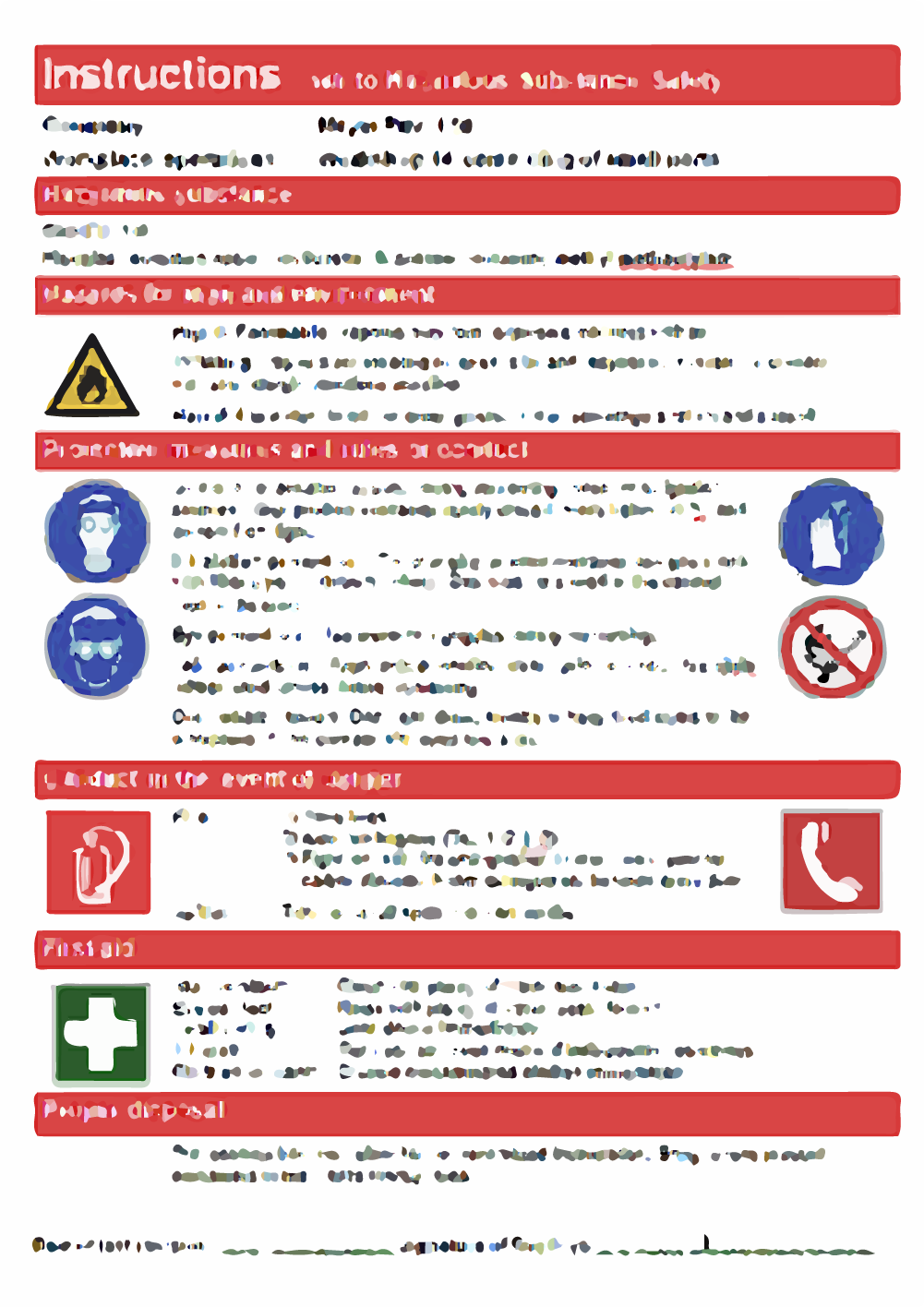
Instructions for the chemical workstation

Based on the information in the Safety Data Sheet for each chemical, instructions should be developed and displayed in the factory. Please always carefully read the instructions.

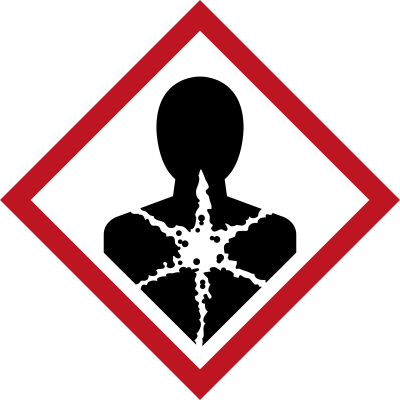
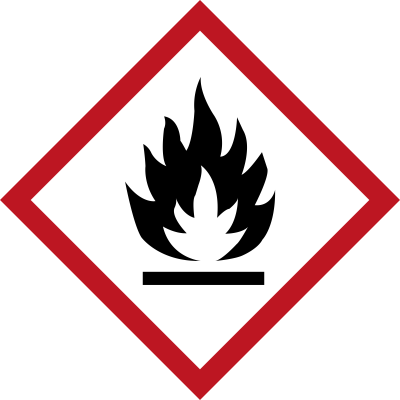
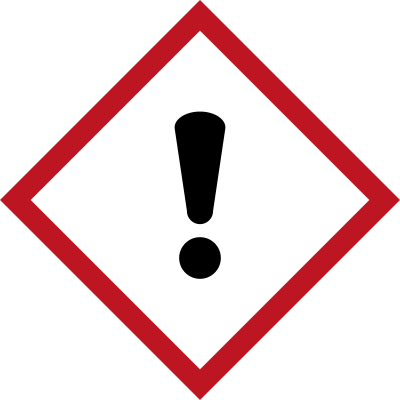
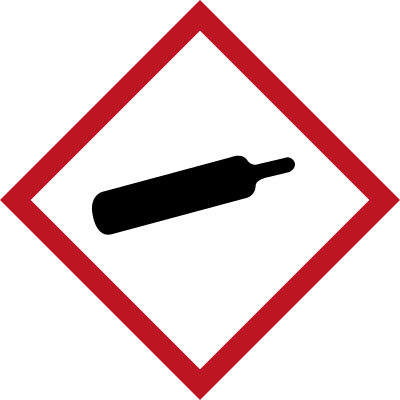
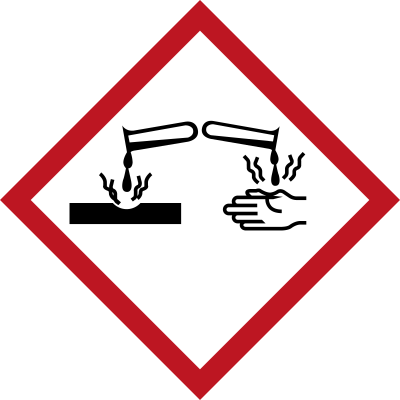
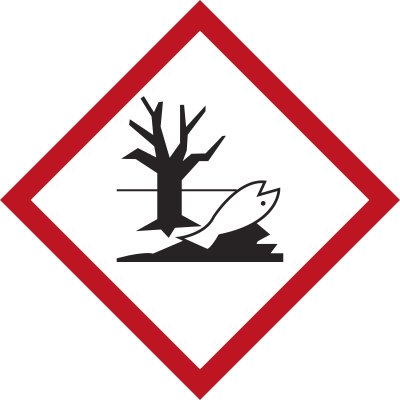
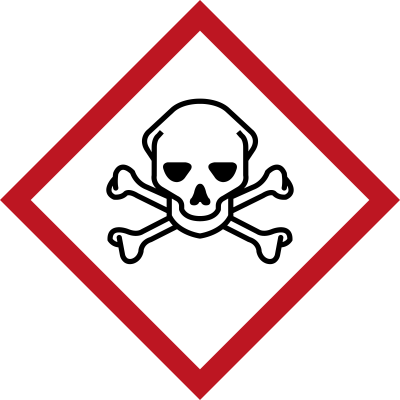
Pictograms indicating chemical hazards:

can be found on the label of the chemical containers and in the Safety Data Sheet (SDS)

Severe health hazards

Flammable

Health hazards

Gasses under pressure

Corrosive

Explosive

Oxidising

Environmental hazard

Acute toxicity

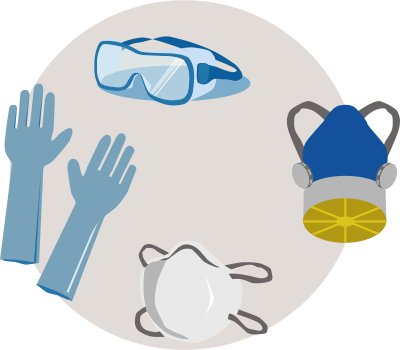
Use proper Personal Protective Equipment (PPE) when handling chemicals

For skin protection: protective gloves and clothing to prevent skin exposure (gloves, apron, boots)

For eye protection: protective glasses, goggles or face shield

For breathing protection:

  • filters (for solid and liquid particles, e.g. dust, aerosols)
  • cartridges (for gases and vapours)
  • canisters (to be used by wearing a gas mask)

Are you aware that it is mandatory by BLA 2006 that

  • PPE must be provided to all workers where required.
  • workers must be instructed at least every six months on PPE use.
  • PPE must be provided free of charge to all staff required to use it.

Report to your supervisor if PPE does not fit or is not working properly.

Prevention is always better than cure.

If you want to know more about how to use gloves correctly, kindly see the section on Dyes.